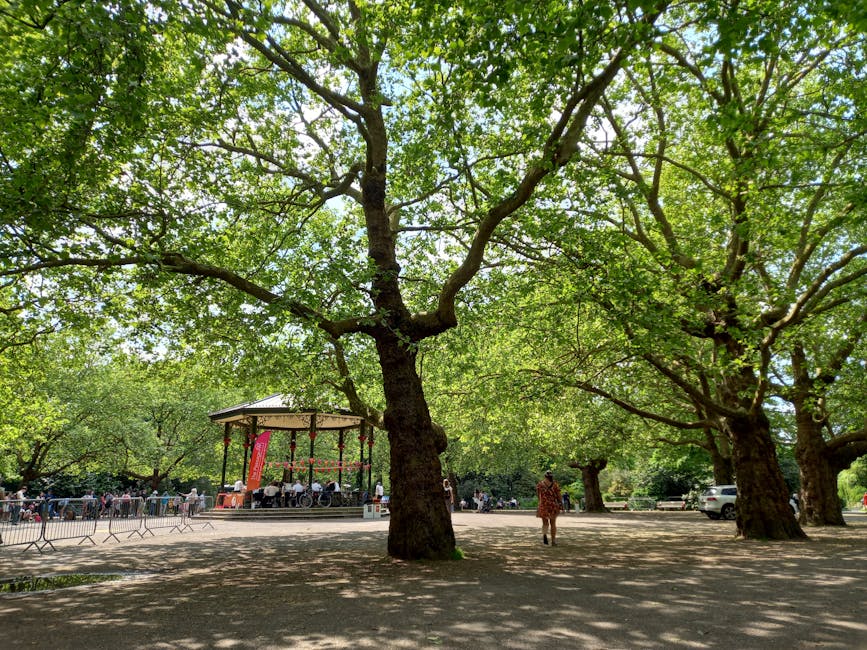
Victoria Park clearance: post-event rubbish solutions East London
After a busy event at Victoria Park, the last thing anyone wants to face is a trail of black bags, broken packaging, spilled drinks, flattened cardboard, and that slightly grim half-moon of litter left behind when the crowds have gone. If you are responsible for a stall, a local venue, a community day, a branded activation, or a private gathering nearby, Victoria Park clearance: post-event rubbish solutions East London is really about one thing: getting the space back to normal quickly, safely, and without creating more stress than the event itself. Simple enough in theory. In practice? Not always.
This guide walks through how post-event waste removal works around Victoria Park, what good clearance looks like, who needs it, and how to avoid the common mistakes that turn a tidy-down into a long, expensive headache. You will also find practical advice on timing, sorting, disposal, local planning, and the kinds of services that tend to make the biggest difference in East London.
Whether you are dealing with a few bags after a community picnic or a larger event with mixed rubbish, equipment, and bulky items, the goal is the same: clear it properly, clear it quickly, and leave no mess behind. That part matters more than people think.
Table of Contents
- Why Victoria Park clearance: post-event rubbish solutions East London Matters
- How Victoria Park clearance: post-event rubbish solutions East London Works
- Key Benefits and Practical Advantages
- Who This Is For and When It Makes Sense
- Step-by-Step Guidance
- Expert Tips for Better Results
- Common Mistakes to Avoid
- Tools, Resources and Recommendations
- Law, Compliance, Standards, or Best Practice
- Options, Methods, or Comparison Table
- Case Study or Real-World Example
- Practical Checklist
- Conclusion
- Frequently Asked Questions
Why Victoria Park clearance: post-event rubbish solutions East London Matters
Victoria Park is one of East London's best-known public spaces, and that popularity is exactly why clearance needs proper planning. A single event can create several waste streams at once: food packaging, drink bottles, cans, flyers, disposable tableware, damaged decor, leftover stock, cable ties, broken furniture, and sometimes awkward mixed waste that does not fit neatly into a normal bin bag. Add foot traffic, weather, and the pressure of a short turnaround, and cleanup can become a bigger job than people expected.
For organisers, local businesses, traders, and residents nearby, post-event rubbish solutions are not just about tidiness. They affect access, safety, public perception, and the smooth running of the next booking or activity. If litter stays too long, it can attract pests, cause complaints, and create avoidable hazards around paths and seating areas. To be fair, it is the kind of problem that looks small at first and gets worse fast.
It also matters because East London sites often need a more flexible approach than a standard domestic collection. Some events create bulky waste that needs specialist rubbish removal, while others need quick turnaround collections that keep the area usable for the next day. If your event also included temporary structures, staging, or branded boards, you may need support that overlaps with builders waste clearance or broader waste clearance services.
Practical takeaway: good event clearance is not just a clean-up job. It is part of event management, neighbour care, and basic site safety.
How Victoria Park clearance: post-event rubbish solutions East London Works
Post-event clearance usually starts with a quick assessment of what is actually on site. That sounds obvious, but it saves a lot of faffing. You need to know whether you are dealing with light litter, bagged waste, reusable items, bulky furniture, or mixed materials that must be sorted before collection. Different waste types move through different handling routes, and not every load can be treated the same way.
A typical clearance process looks like this:
- Inspect the site and identify waste types.
- Separate recyclable materials where practical.
- Remove loose litter, bagged rubbish, and bulky items.
- Load and transport waste safely.
- Dispose of items through the appropriate route.
- Do a final check so nothing obvious is left behind.
For smaller jobs, a straightforward rubbish collection may be enough. For larger or mixed loads, it is often better to use a more flexible waste collection or waste removal service that can take different materials in one visit, rather than forcing everything into a single bin stream.
What does that look like in real life? Imagine a Saturday community event near the park gates. By late afternoon there are drink cups, paper food trays, folding tables, two broken parasols, a stack of flattened boxes, and a pile of damp refuse because the weather has turned. That is not a "put it in the nearest wheelie bin" situation. It needs a proper clear-out, and ideally one that happens while the site is still easy to work in.
If furniture or seating has to go, additional services such as furniture disposal or even sofa removal can be useful. For businesses, traders, or pop-up operations, event waste may also overlap with business waste handling, especially where stock, packaging, and operational waste are mixed together.
Key Benefits and Practical Advantages
There is a reason organised post-event clearance feels calmer than a last-minute scramble. It cuts down on stress, saves time, and helps prevent avoidable costs. More importantly, it protects your reputation. People remember whether a venue or organiser left the place looking cared for, even if they do not say it out loud.
- Faster site reset: A clean handover makes the park, pitch, or nearby venue available sooner.
- Better safety: Less loose waste means fewer trip hazards, sharp edges, or blocked access routes.
- Cleaner presentation: If you are running a public-facing event, tidy grounds reflect well on everyone involved.
- More efficient sorting: Mixed waste handled properly is easier to dispose of and often easier to plan around.
- Less pressure on your team: Staff or volunteers can focus on closing the event, not wrestling with overloaded bags and stubborn debris.
There is also a quieter benefit that gets overlooked: peace of mind. When cleanup is arranged properly, you are not checking your phone at 9:30 pm wondering whether the bins are full or whether the next day's users will find a mess. That matters. A lot.
For larger public or commercial setups, using a service that also understands rubbish clearance and waste disposal can reduce the number of moving parts. Fewer handoffs usually means fewer mistakes. That is just common sense, really.
Who This Is For and When It Makes Sense
Not every cleanup needs a specialist, but many more do than people first assume. Victoria Park clearance support tends to make sense for anyone who has had to deal with more than a few bin bags after an event, or anyone whose site includes bulky, mixed, or time-sensitive waste.
- Event organisers: festivals, fairs, charity days, promotions, performances, and seasonal events.
- Market traders and stallholders: packaging, unsold stock, display boards, and food-service waste.
- Community groups: school events, local clean-up days, sports gatherings, and park activities.
- Hospitality operators: temporary outdoor service, catering, and overflow seating.
- Nearby residents: private parties, garden gatherings, or house events that create more waste than expected.
If your job is mainly around a home rather than a public space, services such as home clearance or house clearance may be more appropriate. Likewise, if the post-event mess sits within a smaller property or flat, a flat clearance approach may suit better than a general event cleanup.
There is no rule saying you need a big commercial job before asking for help. A modest local event can still produce awkward waste. And if you have ever tried stuffing soggy decorations, broken folding chairs, and half a crate of bottles into a car boot, you already know that. Not fun.
Step-by-Step Guidance
If you want a smooth post-event clearance, work backwards from the finish line. The biggest difference between an easy job and a messy one is usually preparation, not brute force.
1) Confirm what needs removing
Start with a quick walk-through. Identify loose litter, bagged rubbish, cardboard, food waste, damaged items, and anything bulky. Note whether waste is wet, sharp, contaminated, or difficult to lift. This helps with crew size, vehicle choice, and the right disposal approach.
2) Separate the obvious categories
Keep recyclables apart where practical. Cardboard, plastics, and cans are easier to handle when they are not tangled with food waste or general rubbish. If the event used temporary structures, wood offcuts, or mixed materials, a more general clearance route may be needed.
3) Plan the timing
Book collection close to the event end time where possible, but not so late that you are fighting crowds or poor light. Early evening can be ideal for smaller events. Bigger jobs may need a same-night or next-morning slot. The timing is not glamorous, but it is half the battle.
4) Clear high-risk items first
Glass, broken furniture, heavy bags, and anything that could block walkways should come out early. This is especially important if the area is still open to the public or shared with other users.
5) Load and move waste safely
Heavy items should be lifted properly, and bags should be stacked so they do not split in transit. If the waste is mixed or bulky, using a service that handles waste collection and waste removal together can save time.
6) Finish with a final sweep
Look for bottle tops, cable ties, tape, food scraps, leaf litter, and random bits of packaging. It is often the tiny stuff that makes an area look untidy, even after the main waste has gone. At dusk, under park lighting, those little details are suddenly obvious.
Expert Tips for Better Results
These are the small, practical things that usually separate a decent cleanup from a genuinely efficient one.
- Use more bags than you think: Overfilled sacks split easily. Leave some room.
- Keep a "fast lane" pile: Put obvious waste near the collection point so it can be loaded first.
- Label mixed materials early: It sounds minor, but it prevents volunteers from guessing wrong.
- Protect loading routes: Make sure trolleys or staff are not crossing through the busiest pedestrian flow.
- Book the right vehicle size: Too small and you end up with repeat trips; too large and you may pay for capacity you never use.
Another tip: if you know there will be bulky end-of-event items, arrange those separately rather than burying them in a general load. A few pieces of furniture, staging panels, or display boards can change the whole job. It is one of those things people forget until the last five minutes. Then everyone's face changes a bit.
For events with outdoor set-ups, nearby garden clearance support can be helpful where the clean-up includes planters, temporary features, soil bags, or outdoor materials. Likewise, if you have dismantled a structure or display, builders waste handling may be the better fit than a standard household run.
Common Mistakes to Avoid
Most clearance problems come from trying to do too much too late. That is the honest version. Here are the usual trouble spots.
- Leaving everything in one mixed pile: It slows loading and can complicate disposal.
- Underestimating volume: Event waste always feels smaller before the bags are tied.
- Forgetting bulky items: Chairs, signage, and display units are easy to overlook in the rush.
- Not checking access: If a van cannot park sensibly, the job becomes longer and more disruptive.
- Assuming one bin system fits all: It often does not, especially with wet waste, food waste, and mixed packaging.
- Leaving cleanup to the end of the day only: Tired teams make mistakes. No surprise there.
A smaller but surprisingly common mistake is ignoring where waste has landed. Wind pushes cups and paper into corners, behind barriers, and under benches. By the time the obvious bags are gone, the site can still look messy because of the scattered bits. That is why a final sweep matters.
Tools, Resources and Recommendations
You do not need a warehouse full of kit to manage post-event rubbish well, but a few basics make a real difference.
| Tool or Resource | Why It Helps | Best Use Case |
|---|---|---|
| Heavy-duty sacks | Reduce splits and leaks during collection | General event waste and food packaging |
| Gloves and grabbers | Improve speed and safety during litter pick-up | Loose waste, bottle tops, and small debris |
| Trolleys or sack trucks | Move heavier loads with less strain | Bagged rubbish, boxes, and bulky items |
| Segregated bins or zones | Keep recyclables from becoming mixed waste | Markets, festivals, and food-focused events |
| Booking notes and site map | Helps crews understand access and waste points | Multi-zone or larger events |
As a service choice, it helps to use a provider that can scale beyond one-off rubbish bags. For example, some cleanups involve nothing more than light waste, while others need broader support across rubbish removal, waste disposal, and even furniture uplift. If you are clearing a nearby office after an event launch or activation, office clearance may also be relevant.
And if the event grew out of a local venue or community space in East London more broadly, it can be useful to look at area coverage across East London, Hackney, and Tower Hamlets to make sure the service area and access expectations line up with your site.
Law, Compliance, Standards, or Best Practice
For event rubbish in London, the safest approach is to follow accepted UK waste-handling practice: store waste securely, prevent spillages, avoid fly-tipping, and make sure anything collected is passed to an appropriate disposal route. You do not need to become a legal expert to get this right, but you do need to avoid casual shortcuts.
Some simple best-practice points apply across most events:
- Do not leave waste where it can blow into roads, pavements, or water drains.
- Keep sharp objects and broken glass contained.
- Avoid overfilling bags or containers.
- Separate reusable or recyclable materials where feasible.
- Use a waste service that can demonstrate responsible handling, especially for mixed loads.
If the event involved commercial activity, catering, or branded installations, there may be additional operational expectations around waste storage and removal. In some cases, event organisers will also want written notes for internal records, especially if multiple contractors are involved. Nothing fancy, just enough to show who removed what, and when. Very sensible, honestly.
Where waste includes bulky or unusual items, it is worth checking whether it belongs in general collection, specialist clearance, or a separate stream such as furniture disposal or garage clearance-style removal. Using the wrong route is one of the easiest ways to cause delay.
Options, Methods, or Comparison Table
There is more than one way to handle post-event rubbish near Victoria Park. The right option depends on volume, timing, and the type of waste left behind.
| Method | Best For | Pros | Limitations |
|---|---|---|---|
| Self-clearance | Very small events or private gatherings | Low cost, immediate control | Time-consuming, vehicle limits, sorting burden |
| Scheduled bag collection | Bagged rubbish with light bulk | Simple and organised | Less flexible for mixed or heavy waste |
| Full rubbish removal service | Mixed waste, bulky items, tight deadlines | Fast, adaptable, less disruption | Usually needs planning and access details |
| Hybrid clearance | Events with waste plus furniture or fittings | Efficient for multi-type cleanup | Requires clearer brief at booking stage |
For many Victoria Park jobs, a hybrid approach makes the most sense. You might need standard rubbish clearance for bags and packaging, then a separate uplift for tables, boards, or other bulky items. That split can sound fiddly, but it often ends up cleaner and more cost-effective than trying to force everything into one generic job.
Case Study or Real-World Example
Here is a realistic example. A small community organisation runs a weekend wellbeing event near Victoria Park with food stalls, seating, and a few decorative installations. By the end of the day, the site contains about what you would expect: bagged packaging waste, drink bottles, used napkins, two collapsed gazebo frames, several cardboard boxes, and a handful of damaged display items.
At first glance, it looks manageable. But once the team starts sorting, they realise the cardboard is damp, one of the chairs is broken, and the collection point is across a narrow access route shared with pedestrians. If they try to tackle it all in one rush, the job drags. Bags spill. Somebody gets annoyed. It starts to feel bigger than it is.
Instead, the team separates the waste into clear piles, moves bulky items first, keeps the bagged waste in one marked area, and arranges a local collection that can handle mixed rubbish and furniture in the same window. The site is swept at the end, including the corners behind the barriers where bottle caps and napkins had blown. By the next morning, the space looks like it was never used. Well, almost never. There is always one rogue flyer somewhere, isn't there?
The lesson is simple: a little structure saves a lot of stress. That applies whether your event was a small neighbourhood gathering or a larger public activation with more moving parts.
Practical Checklist
Use this quick checklist before, during, and after the clearance. It keeps the whole process calmer.
- Confirm the event finish time and access window.
- List all waste types, including bulky items.
- Set aside recyclables where practical.
- Make sure bags are tied and not overfilled.
- Keep glass and sharp items contained.
- Identify the nearest loading point.
- Check whether furniture or fittings need separate removal.
- Brief staff or volunteers on what goes where.
- Do a final sweep for small litter and loose debris.
- Leave a note of what was collected, especially for shared sites.
Quick summary: the cleaner the sorting, the smoother the clearance. The smoother the clearance, the faster the site returns to normal. Simple, but true.
For anyone planning repeated events in the area, it can also help to build a longer-term relationship with a dependable local provider that understands East London routes, access quirks, and the practical differences between park-adjacent work and standard domestic jobs.
Get a free quote today and see how much you can save.
Conclusion
Victoria Park clearance: post-event rubbish solutions East London are really about making the end of an event as well managed as the start. If the rubbish is handled properly, the whole operation feels more professional, less stressful, and far easier to hand over. That is true whether you are clearing a few bags after a small gathering or dealing with a mixed load of waste, packaging, and bulky items after a bigger day.
The best results usually come from simple things done well: sort early, plan access, use the right removal method, and leave time for the final sweep. Nothing dramatic. Just sensible, careful work. And in a busy place like East London, that is often what makes the difference.
When you are ready, choose the option that fits your site, your timeline, and your waste type. The rest tends to fall into place.
Frequently Asked Questions
What counts as post-event rubbish after a Victoria Park event?
It usually includes bagged litter, food packaging, cups, bottles, cans, cardboard, broken decor, temporary signage, and any bulky items left behind after the event has ended.
Can I just use normal bins for event waste?
For very small gatherings, maybe. For most public or commercial events, normal bins fill too quickly and do not handle bulky or mixed waste well. A proper collection is usually the safer choice.
How soon should rubbish be cleared after an event?
As soon as the site can be safely accessed. Same-day or next-morning clearance is often best, especially if the area will be used again quickly or if you need to reduce complaints and safety risks.
What if the waste includes furniture or equipment?
Then you may need a more flexible clearance service that can handle bulky items as well as general rubbish. Furniture, folding tables, staging pieces, and signage often need separate planning.
Is event waste the same as household rubbish?
Not usually. Event waste is often mixed, higher volume, and more awkward to sort. It may include commercial packaging, temporary structures, and items that need special handling.
Do I need to separate recyclables before collection?
If you can, yes. It makes the process cleaner and more efficient. That said, not every event has the time or staff to do perfect sorting, so a flexible collection route is often helpful.
What happens if it rains during or after the event?
Wet waste becomes heavier and messier, and cardboard can break down quickly. In that case, it helps to use stronger bags, keep waste covered where possible, and arrange prompt collection.
Can local businesses near Victoria Park use the same clearance approach?
Often yes, especially if the waste is from a promotion, launch, hospitality setup, or office-related event. In some cases, services like business waste or office clearance may be more suitable than a general rubbish run.
What is the biggest mistake people make with post-event clearance?
Leaving it too late. By the time everyone is tired and the site is empty, rubbish sorting becomes slower and easier to get wrong. A little planning avoids a lot of friction.
Is same-day clearance worth it for smaller events?
Usually, yes, if access and timing allow it. Same-day clearance keeps the area tidy, lowers the risk of wind-blown litter, and reduces the chance of complaints from nearby users or residents.
Do I need special help if the event was in a flat, house, or private garden near Victoria Park?
If the waste came from a private property rather than a public event space, a home clearance, house clearance, or garden clearance service may fit better than a park-focused cleanup.
How do I choose the right waste service for my event?
Match the service to the waste type, volume, and access conditions. If you have mixed rubbish, bulky items, or a short turnaround, choose a provider that can handle more than just bagged litter. That usually saves time and stress in the end.