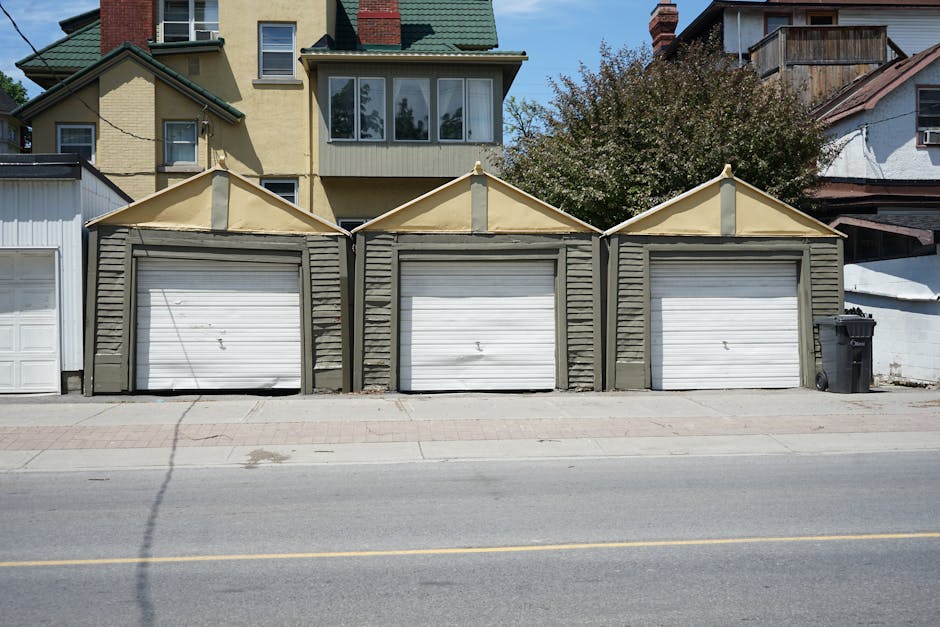
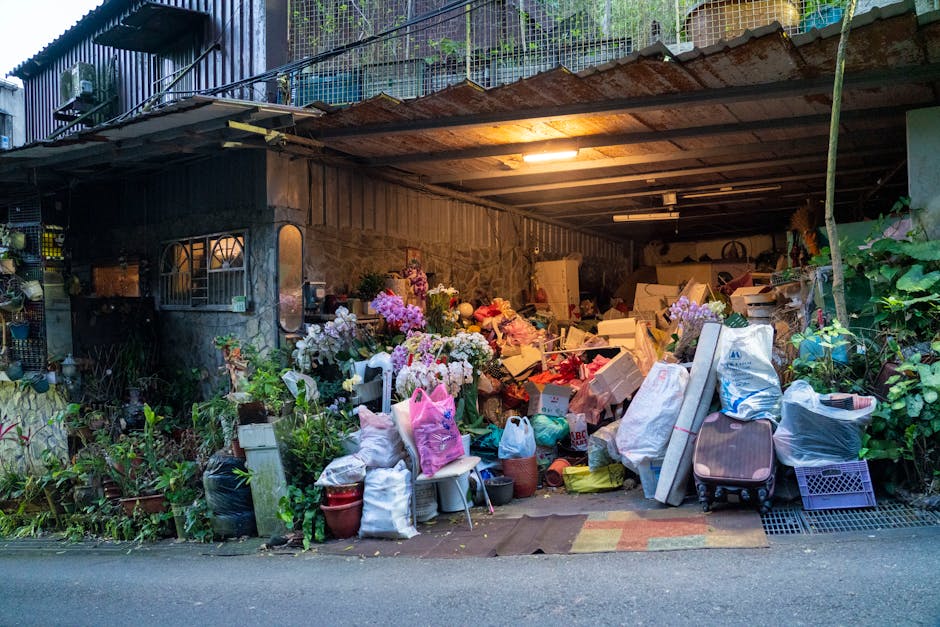
Tackling garage rubbish buildup in East London homes
If your garage has quietly turned into the place where "I'll deal with that later" goes to live, you are in good company. In East London homes, garages often end up holding everything from broken furniture and old paint tins to bike parts, builders' offcuts, damp cardboard, and that one mystery item nobody remembers buying. Tackling garage rubbish buildup in East London homes is less about a dramatic clean-out and more about getting practical, safe, and realistic about what should stay, what should go, and how to move it out without creating a bigger mess.
This guide walks you through the process properly. You'll find out why garage clutter becomes such a problem, how to clear it in a sensible order, which mistakes slow people down, and when a professional clearance makes more sense than another weekend of shifting piles from one corner to another. And yes, there is a checklist too.
Contents
- Why it matters
- How the process works
- Key benefits and practical advantages
- Who needs this and when it makes sense
- Step-by-step guidance
- Expert tips for better results
- Common mistakes to avoid
- Tools, resources and recommendations
- Law, compliance, standards, and best practice
- Options, methods, or comparison table
- Case study or real-world example
- Practical checklist
- Conclusion
- Frequently asked questions
Why Tackling garage rubbish buildup in East London homes Matters
A garage full of rubbish is not just an inconvenience. It can become a safety issue, a storage problem, and a constant background stressor that gets in the way every single week. In densely built parts of East London, where space is already at a premium, a garage often acts as overflow storage for the whole house. That means clutter accumulates fast, especially in families with children, renters moving in and out, tradespeople storing materials, or homeowners between renovations.
What starts as a few bags of unwanted stuff often becomes a layered pile. Old wardrobes sit beside broken lawn tools. Paint cans sit beside redundant cables. A flattened cardboard stack somehow becomes a permanent feature. Before long, the garage is too cramped to park in, awkward to walk through, and difficult to inspect properly. Let's face it, once you can no longer see the floor, the problem has probably gone beyond "tidy up later."
There's also a practical reason to deal with it sooner rather than later. Hidden clutter makes it harder to spot damp, pests, leaks, or damage. If you store items in a mixed pile, you can miss what needs protecting and what needs disposing of. For homes near busy roads or railway lines, garages can also collect dust and grime quickly, which adds another layer of mess.
For many households, the real benefit is psychological. A clear garage reduces decision fatigue. You know what you own. You can reach what you need. And suddenly the space has a purpose again, whether that is parking, workshop storage, seasonal items, or just breathing room.
How Tackling garage rubbish buildup in East London homes Works
The process works best when you treat the garage like a small project rather than a one-off tidy. First, you identify what is actually in the space. Then you sort items into clear categories. After that, you decide what can be reused, recycled, donated, sold, or removed as waste. Finally, you clear everything out in an ordered way so you don't end up shifting the same pile three times. A bit dull? Maybe. But it works.
In practical terms, the job is usually easiest when you work from front to back or from one wall to another. That way, you create visible progress and avoid re-cluttering cleared areas. If the garage holds mixed household junk and heavier items like cabinets, white goods, or old sofas, it may make sense to separate general rubbish from bulky waste right away. If you need help with larger items, the team behind garage clearance can handle the heavier lifting and the trickier disposal side of things.
In some homes, garage clutter is part of a bigger picture. The garage may contain items from a loft, spare room, shed, or garden project. In that case, joining up the clearance with home clearance or even house clearance can be more efficient. If the garage is holding old furniture, there's also a strong case for looking at furniture disposal rather than trying to break everything down yourself.
A lot depends on the material mix. Clean wood, metal, cardboard, textiles, and reusable household goods can often be handled differently from contaminated, damp, or broken items. Once you understand the mix, the rest gets easier. Not effortless. Just easier.
Key Benefits and Practical Advantages
The first benefit is space. That sounds obvious, but the amount of usable space returned after a proper garage clear-out can be surprising. Even a modest garage can become much more functional when rubbish and dead storage are removed. You might finally park inside again, set up shelving, or keep tools in a way that makes sense.
The second benefit is access. A cleaner garage means you can find things when you need them. No more digging under a stack of old packaging to find spare bulbs or winter tyres. For people who use the garage as a route to the garden, side passage, or utility access, that access matters every day.
The third benefit is risk reduction. Fewer piles means fewer trip hazards, less fire load, and less chance of hidden damage going unnoticed. It also makes it simpler to spot issues such as damp patches, rodent activity, broken seals, or water ingress after heavy rain.
There are financial advantages too, although they are sometimes indirect. A garage can support better home organisation, reduce damage to stored items, and avoid unnecessary repeat buying because you can actually see what you already have. How many people buy another drill bit pack because the first one vanished into a box of old cables? More than they'd like to admit.
Expert summary: the best garage clear-outs are not the fastest ones; they are the ones that leave behind a usable system. That might mean shelving, labelled boxes, a simple "keep / donate / remove" method, and a regular review date. The win is not just empty floor space. It is a garage you can live with.
Who This Is For and When It Makes Sense
This kind of clear-out is useful for a wide range of East London homeowners and tenants. If you are preparing to move, trying to reclaim a parking space, getting ready for renovation work, or dealing with a backlog of broken items after years of "temporary" storage, this is for you. It also makes sense if you run a home business and your garage has quietly become a stockroom, tool shed, and dump zone all at once.
It is especially relevant if your garage has:
- old furniture or mattresses
- sports gear and bikes that are no longer used
- builders' leftovers from DIY work
- boxes of mixed household junk
- broken appliances or electrical items
- garden waste or seasonal clutter
For some people, the issue is simple overcrowding. For others, it is a life event. A bereavement, a house move, a new baby, a long illness, or the end of a tenancy can all leave a garage packed with items that need sorting carefully. In those situations, choosing a service like rubbish removal or waste removal can reduce the pressure and make the task feel less impossible.
If the garage contents include a mix of general rubbish, reusable household items, and large furniture, a combination approach is often best. There is no prize for doing everything the hard way.
Step-by-Step Guidance
Here is a practical way to tackle the job without losing momentum halfway through.
- Empty a small section first. Do not try to clear the whole garage in one frantic sweep. Start with one corner, one wall, or one category of items. Small wins build confidence.
- Sort into clear groups. Use simple piles: keep, donate, recycle, remove, and unsure. The "unsure" pile should stay small. If it keeps growing, you are probably avoiding a decision.
- Identify problem items. Check for paint tins, solvents, batteries, sharp metal, damaged electronics, and anything damp or mouldy. These need careful handling and should not be shoved into random bags.
- Separate bulky pieces from general rubbish. Broken shelving, old cupboards, garden furniture, and large boxes usually need different treatment from bagged waste.
- Break down what you safely can. Cardboard, flat-pack timber, and some furniture can be reduced in size, which helps with loading and transport. Do not force this step if the item is unstable or hazardous.
- Bag and secure loose waste. Use strong sacks and keep sharp edges covered. Nobody enjoys a torn bag leaking screws across the driveway at 8pm on a wet evening.
- Move items out in stages. Keep the walkway clear as you go. That makes the space safer and stops you boxing yourself in.
- Decide how the waste will leave the property. For a straightforward clear-out, a rubbish collection service can be a neat option. If there is a larger volume or mixed material, you may want a broader waste collection or waste clearance approach.
- Clean the garage before putting items back. Sweep the floor, wipe shelves, and check for damp or cracks. A clear garage is much easier to keep clear if you reset the space properly.
- Reorganise only what earns its place. Put back the things you actually use and store them in labelled zones. That last bit sounds small, but it makes a huge difference.
If you are dealing with a really full garage, a professional rubbish clearance service can save a lot of time because the loading, lifting, and disposal are handled in one go. That often matters when access is tight or the items are awkward.
Expert Tips for Better Results
One useful habit is to work with light first and heavy second. Open the door fully, bring in daylight where you can, and start with visible rubbish rather than the most emotionally difficult stuff. Strange as it sounds, seeing a bit of progress early tends to keep people going.
Another tip: use fixed decisions for fixed categories. For example, anything damaged by damp goes. Any duplicate tools that haven't been used in years get reviewed honestly. Half-working items rarely become full-time useful again. They just occupy space and create a vague sense of guilt.
Keep a box for "return elsewhere" items. That covers things which belong in the house, loft, shed, or garden, but are currently in the garage by accident. Otherwise they get parked in there permanently, which defeats the whole point.
If you are sorting between storage and disposal, ask a simple question: would I pay to move this item again? It is a surprisingly effective test. If the answer is no, the item probably doesn't deserve the garage either.
For mixed loads, separate clean recyclables from general waste whenever possible. It makes collection smoother and can avoid the unpleasant moment when good material is mixed with broken, dirty, or contaminated items. And yes, that moment happens more often than people think.
If the garage contains a mix of household clutter and leftover DIY material, it can also help to look at builders' waste for renovation-related debris, especially where wood offcuts, plasterboard pieces, or packaging have built up over time. That keeps the job organised instead of becoming a catch-all pile.
Common Mistakes to Avoid
The most common mistake is trying to sort while you clear. It feels efficient, but it often slows everything down because each item gets handled three times. A better approach is to move quickly through the garage first, then sort with more headspace.
Another mistake is underestimating bulky items. A broken wardrobe or old sofa can take up far more room than expected and may need two people to move safely. If the garage has furniture that is past its best, use a dedicated option such as sofa removal instead of trying to wrestle it out alone.
People also forget about what is hidden inside containers. Paint tins, oily rags, old cords, and loose screws often end up inside random boxes. Empty each box before deciding it is safe to throw away. Otherwise you just shift clutter from one vessel to another.
Then there is the classic mistake: clearing the garage without planning the exit route. If you remove items to the front path but have nowhere to take them next, the area becomes clogged again. That can be a real pain in narrow East London streets where parking and loading space are limited.
Finally, don't turn the job into a perfection project. You are trying to create a usable space, not stage a showroom. A sensible, tidy, safe garage beats a half-finished "maybe this will become a workshop" dream every time.
Tools, Resources and Recommendations
You do not need much to get started, but the right basics help. Good bin bags, gloves, a torch, labels or marker pens, and a couple of sturdy boxes will cover most small jobs. If the garage is dusty or has been untouched for a while, a mask and a sweeping brush are worth having too. The sound of sweeping dust on a concrete floor is oddly satisfying, to be fair.
For sorting, plain labels work better than elaborate systems. Keep, donate, recycle, remove, and maybe. That is enough. If your system needs a spreadsheet to survive, it may already be too complicated.
If you are dealing with items that will not fit into a standard tidy-up, it can help to use a broader service page like waste disposal when you need a clear route for mixed items, or waste removal when the priority is simply getting everything out efficiently.
For people in flats, terraced homes, or compact properties with limited front access, local knowledge matters. Narrow entrances, stair carries, shared paths, and parking restrictions can all affect how a clearance is done. That is one reason a service with East London focus can be a practical choice, especially in neighbourhoods like Hackney, Stratford, Whitechapel, and Canary Wharf.
Law, Compliance, Standards, and Best Practice
Garage clear-outs are not just about convenience. In the UK, waste should be handled responsibly, and householders still have a duty to avoid fly-tipping or using unlicensed disposal arrangements. That does not mean you need to memorise legislation. It does mean you should know where your waste is going and avoid handing it to anyone who cannot handle it properly.
Some materials deserve extra care. Electrical items, paint, solvents, batteries, sharp objects, and anything contaminated by oil or chemicals should be separated and handled cautiously. If in doubt, treat them as problem waste until they can be assessed properly. It is always better to be slightly over-cautious than to create a mess with safety issues attached.
Good best practice is simple: keep loads secure, do not overfill bags, protect walkways, and avoid lifting anything too heavy or awkward on your own. If something feels unstable, get help. That is not being cautious for the sake of it; that is avoiding back trouble and dropped items.
If your garage contains items from a business, trade, or rental operation, the standards around disposal can become more specific. In those cases, using the right route for business waste or related service can help keep things orderly and avoid confusion between domestic and commercial items.
Options, Methods, or Comparison Table
There is no single best method for every garage. The right choice depends on how much there is, what kind of items you have, and how much time you realistically want to spend. Here is a straightforward comparison.
| Method | Best for | Pros | Drawbacks |
|---|---|---|---|
| DIY clear-out | Small, simple garages with mostly bagged waste | Low direct cost, full control, flexible timing | Time-consuming, physically demanding, can stall halfway through |
| Hybrid approach | Mixed garages with some reusable items and some rubbish | Efficient, practical, lets you keep what matters | Still needs sorting time and some planning |
| Professional clearance | Large, bulky, or hard-to-access garages | Fast, less lifting, less stress, better for mixed loads | Usually costs more than doing it yourself |
For many East London homes, the hybrid route is the sweet spot. You do the first sort, then bring in help for the heavy lifting or final disposal. That way you keep control without carrying the whole burden yourself. Sensible, really.
Case Study or Real-World Example
Picture a typical terraced home in East London. The garage has become a catch-all for old child seats, a broken desk, a rusting pushbike, several black bags, some garden pots, and boxes of random household bits. Every time the owner opens the door, they feel a slight wince. Not because it is catastrophic, but because the space has become one of those awkward little life jobs that never seems urgent until it suddenly is.
The first step was to pull out only the clearly unwanted items. That created enough space to see what was left. Once the piles were separated, it turned out that a few things were actually worth keeping, a couple of items could be donated, and the rest needed removal. The big turning point was dealing with the bulky furniture first, which made the room feel bigger immediately. After that, the owner used shelves and labelled boxes for the items that genuinely belonged there.
The result was not just a tidier garage. It became a usable part of the house again. The bike could be reached. The tools were visible. The black bags disappeared. And, perhaps best of all, nobody had to squeeze sideways past a pile of old cardboard every time they wanted to get to the back door. A small win, but a real one.
Practical Checklist
Use this checklist before, during, and after the clearance.
- Open the garage fully and assess what is there.
- Separate keep, donate, recycle, remove, and unsure items.
- Check for damp, pests, sharp objects, or hazardous materials.
- Remove bulky items early so the space opens up faster.
- Bag loose rubbish securely and label problem items clearly.
- Keep a clear walkway to avoid blocking your exit.
- Decide whether you need garage clearance, general rubbish removal, or a broader home clearance.
- Clean the floor and shelves before storing anything again.
- Return only the items you actually use.
- Set a date to review the garage again in a few months.
Get a free quote today and see how much you can save.
Conclusion
Tackling garage rubbish buildup in East London homes is rarely glamorous, but it is one of those jobs that pays you back quickly. You get room back. You reduce stress. You make the property safer and easier to use. And once the clutter is gone, the garage stops feeling like a burden hanging off the side of the house.
The key is not to wait for the perfect moment. Start with one corner, one bag, one clear decision. If the job is bigger than it first looks, bring in the right help and make it manageable. That is usually the point where the whole thing stops being a headache and starts feeling like progress. And honestly, that shift is worth a lot.
By the end, you should not just have a cleaner garage. You should have a space that feels lighter, more useful, and far less like a storage graveyard. That's the real goal, and it's a very achievable one.
Frequently Asked Questions
How do I start tackling garage rubbish buildup in East London homes?
Start with a small section, not the entire garage. Pull out obvious rubbish first, then sort into keep, donate, recycle, and remove piles. Once you see the floor in one area, momentum builds fast.
What counts as garage rubbish rather than storage?
If you have not used it in a long time, cannot explain why it is there, or it is damaged beyond sensible repair, it is probably clutter rather than storage. Be honest with yourself. It saves time later.
Can I clear a garage myself or should I book a service?
Small clear-outs with bagged waste can often be done yourself. If you have bulky furniture, heavy items, tight access, or a lot of mixed rubbish, a professional clearance is usually easier and safer.
What should I do with old furniture in the garage?
Separate it from general rubbish and decide whether it is reusable, repairable, or ready for disposal. Large items often fit better into a dedicated service such as furniture disposal or sofa removal.
How do I handle damp or mouldy items?
Keep them separate, bag them securely if appropriate, and do not mix them with clean items you want to keep. If they are badly affected, it is usually better to remove them rather than try to rescue them.
Is it worth combining garage clearance with home clearance?
Yes, if the garage is part of a wider build-up across the house. When items from the loft, spare room, or hallway have drifted into the garage, a broader home clearance can save time and reduce repeat trips.
What if the garage contains builders' leftovers?
Set those items aside from household rubbish. Leftover wood, packaging, offcuts, and related debris may need a different approach, especially if the garage has become a temporary holding area after DIY or renovation work.
How long does a typical garage clear-out take?
That depends on volume and access. A small, mostly tidy garage may take a few hours. A heavily packed one can take much longer, especially if you are sorting as you go. The first sort always takes longer than people expect.
What is the safest way to move heavy items out of a garage?
Use two people for awkward or heavy items, wear gloves, clear the route first, and do not rush. If something feels too heavy or unstable, stop and reassess. A dropped wardrobe corner can ruin your afternoon very quickly.
Do I need to sort recyclable items separately?
It is a good idea where possible. Keeping recyclable items separate from general rubbish makes the clearance cleaner and easier to manage. It also reduces the odds of good material being buried under broken bits and packaging.
What are the biggest mistakes people make when clearing garages?
The usual ones are trying to do too much at once, failing to sort properly, underestimating bulky items, and not planning the exit route. The job gets much easier when you break it into stages and keep decisions simple.
How can I keep the garage tidy after the clearance?
Use labelled zones, shelves, and boxes; keep only the items you genuinely use; and review the space every few months. A garage stays tidy when it has a purpose, not just when it has been swept once.
For East London homes, a cluttered garage does not have to be permanent. Clear it well, keep it simple, and give the space a fresh start. Sometimes that one job changes how the whole house feels.