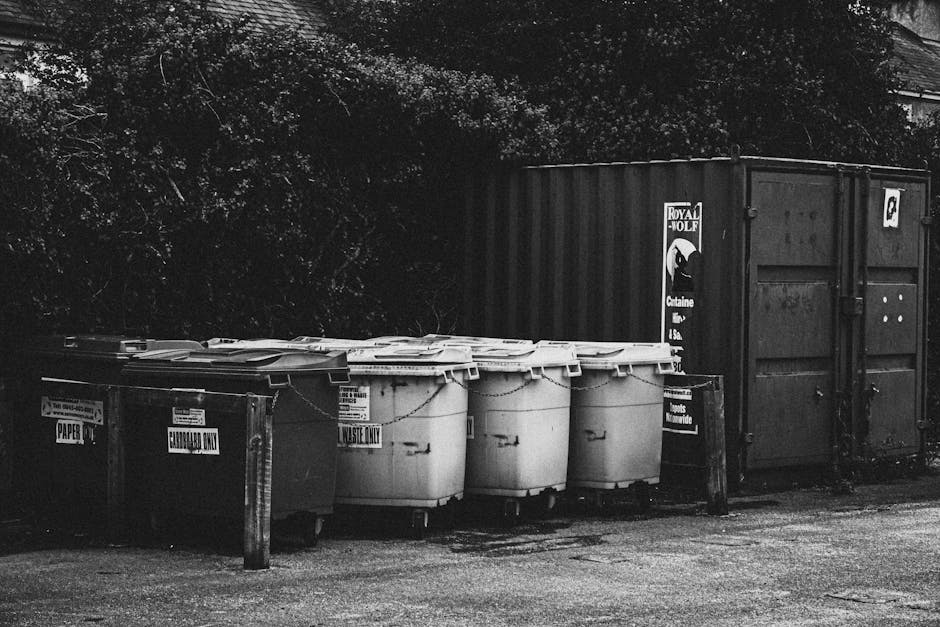
E1 Postcode Waste Collection Tips for East London Flats
Living in an E1 flat can make waste disposal feel more complicated than it should. Narrow stairwells, shared entrances, bin stores that fill up too quickly, and awkwardly timed collections can turn a simple tidy-up into a small logistical puzzle. If you are looking for E1 postcode waste collection tips for East London flats, the good news is that a few smart habits make a huge difference.
This guide walks through the practical side of waste collection in East London flats: how it works, what usually goes wrong, how to stay organised, when to use a professional service, and what best practice looks like in a busy postcode like E1. You will also find a checklist, a comparison table, and a realistic example to help you make better decisions with less hassle.
Quick takeaway: the best waste strategy for E1 flats is usually a mix of sorting early, storing safely, timing collections well, and using the right removal option for bulky or difficult items.
Why E1 postcode waste collection tips for East London flats Matters
E1 is dense, active, and varied. In a single street you may find mansion blocks, converted buildings, new-build apartments, and older walk-up flats with limited storage. That density is exactly why waste management matters more here than in many other parts of London. If residents do not handle rubbish well, bin stores overflow, shared areas smell unpleasant, and neighbours quickly notice.
It is not just about tidiness. Good waste habits protect communal space, reduce pest risk, and make life easier for everyone in the building. In practical terms, that means less time dragging bags downstairs at the wrong moment and fewer arguments over who left what in the hallway. Nobody wants to be the person whose old sofa blocks the fire exit, even temporarily.
For landlords, managing agents, and tenants, the stakes are a bit different but equally real. Poor waste handling can lead to complaints, cleaning costs, access issues, and delays when a flat needs to be cleared or re-let. If you are comparing service options, it may help to look at related support such as flat clearance services or wider waste collection support when the job is bigger than standard bins can handle.
Expert summary: In E1 flats, waste works best when the process is planned before the rubbish starts piling up. Small routines beat last-minute panic every time.
How E1 postcode waste collection tips for East London flats Works
Waste collection in East London flats usually follows a simple structure, but the details matter. Household waste goes into the building's general bins or the council collection system, recyclables are separated where facilities exist, and bulky items need a different solution entirely. The challenge is that flats rarely offer much room to store waste neatly while you wait for collection day.
That means you need to think about three things at once: what you are discarding, where it can be stored safely, and how quickly it can be removed. A bag of mixed household rubbish is one thing; a mattress, broken wardrobe, or pile of renovation offcuts is another. For heavier or awkward loads, many residents rely on dedicated rubbish removal or broader waste removal rather than trying to fit everything into shared bins.
In many E1 buildings, waste collection also depends on building rules. Some blocks want bins placed out at specific times. Others require residents to keep bags inside until collection morning. Some have compact bin stores that overflow at peak times, especially after a move, a renovation, or a spring clean. That is why the same waste plan that works in a house often fails in a flat.
If you are handling a move, tenancy end, or a big clear-out, a service such as home clearance can be more efficient than multiple bin trips. The same logic applies to heavier items like old chairs or soft furnishings, where furniture disposal or sofa removal may save a lot of time and stairwell frustration.
Key Benefits and Practical Advantages
Doing waste collection well in an E1 flat creates benefits that show up quickly. Some are obvious. Others only become clear once you have lived with both the messy version and the organised version.
- Cleaner shared spaces: fewer bags left in hallways, lifts, or bin rooms.
- Lower pest risk: properly sealed and timed waste is less likely to attract vermin.
- Less neighbour friction: a tidy bin routine avoids a lot of avoidable complaints.
- Faster move-outs and clearances: when waste is sorted early, end-of-tenancy jobs run more smoothly.
- Safer access routes: stairs, landings, and fire exits stay clear.
- Better recycling outcomes: separating items correctly is easier when you are not rushing.
There is also a financial side. If you can identify what can be reused, recycled, donated, or collected separately, you may reduce the volume of general rubbish that needs removal. That is especially useful for landlords, flat sharers, and anyone clearing an apartment after a long tenancy. In commercial or mixed-use buildings, the same mindset works for business waste and regular waste clearance too.
Another practical advantage is control. Once your waste system is set up, you stop reacting to overflowing bags and start managing disposal on your own terms. That sounds small until you are carrying shopping, a buggy, or a heavy box down three floors and discover the communal bin area is already full. Then it suddenly matters a lot.
Who This Is For and When It Makes Sense
This topic is most useful if you live, work, rent, let, or manage a flat in E1. But the real audience is broader than that. Anyone dealing with compact living and shared waste arrangements will recognise the same issues.
It is especially relevant for:
- tenants in converted houses or apartment blocks
- flat owners with limited storage and shared bins
- landlords preparing for changeovers
- letting agents arranging end-of-tenancy clearance
- property managers handling communal waste complaints
- people downsizing, moving, or decluttering a flat
- residents with bulky items that will not fit in regular bins
It also makes sense if your building experiences shared waste bottlenecks. For example, in a block near Whitechapel or around the edges of Tower Hamlets, one resident's missed collection can affect several households. If the issue is building-wide rather than flat-specific, a wider service approach may be better than piecemeal bag disposal. In that case, it can help to review local area pages such as East London coverage or the broader flat clearance option in East London.
When does it make sense to bring in professional help? Usually when waste is bulky, time-sensitive, heavy, difficult to carry, or too much for shared bins. If you are asking, "Can I realistically do this with one lift, two staircases, and a black bag?" the answer is often no. And that is perfectly fine.
Step-by-Step Guidance
Here is a practical way to handle waste collection in an E1 flat without creating extra stress.
1. Sort items before you start moving anything
Separate general waste, recycling, reusable items, and bulky rubbish before you fill any bags. This prevents the classic mistake of filling one bag with everything and hoping for the best later. Flat living rewards a bit of discipline up front.
2. Check your bin store or collection rules
Find out where bins go, when they are collected, and whether your building has specific requirements for bag placement. Some blocks are strict about timing and access. Others are more relaxed, but never assume. If in doubt, ask the managing agent or concierge rather than guessing.
3. Flatten and break down items where safe
Cardboard boxes, packaging, and flat-pack furniture often take up more room than the item itself. Break these down early. If you are disposing of furniture, dismantling it can make a big difference to both storage and transport. For larger pieces, see whether furniture disposal or sofa removal is a better fit than trying to move it yourself.
4. Store waste safely until collection
Keep rubbish sealed, dry, and away from communal walkways. In a flat, one loose bag can create a smell issue very quickly, especially in warmer weather. If you need to keep waste for a short period, use sturdy bags and close lids properly.
5. Use the right disposal route for bulky or awkward waste
Mattresses, wardrobes, broken desks, and mixed loads of renovation debris should not be handled like ordinary household rubbish. A dedicated rubbish collection or rubbish clearance service can be much more practical. If the waste comes from a refurbishment, look at builders waste support rather than leaving it to clog up the bin room.
6. Time the collection properly
Schedule removal for a day and time that avoids peak building traffic where possible. In busy blocks, that can mean choosing a quieter slot so stairwells, lifts, and entrances remain usable. If the job involves multiple items, stacking them neatly near the exit point can save time on the day.
7. Confirm final sweep and access
Before the collection team arrives, check the route from the flat to the exit. Clear doors, unlock gates if needed, and remove anything that could snag or delay the process. It sounds basic, but access issues are one of the most common sources of frustration in flats.
Expert Tips for Better Results
After dealing with enough flats, certain habits stand out as consistently useful.
- Keep a "one-touch" bagging routine. Once an item is decided as waste, bag or box it immediately instead of moving it around the flat twice.
- Use a staging area. If your layout allows it, designate one spot for outgoing waste so it does not spread from room to room.
- Think by item type, not just by room. Kitchen waste, packaging, old textiles, and furniture each need slightly different handling.
- Do not wait until bin day to make decisions. That is how flats end up with half-open sacks in the hallway.
- For shared buildings, communicate early. A quick message to neighbours or management can prevent access confusion.
One very practical tip: if you are clearing a flat after a move, photograph bulky items before collection. This helps you remember what still needs to go and can support clearer communication with a clearance provider. It is also handy if you are managing someone else's property and trying to keep the process organised without turning it into a full-time detective job.
If you are dealing with mixed waste across several rooms, a broader service such as waste disposal or waste collection is often more efficient than piecemeal removal. For larger domestic jobs, house clearance can also be relevant, especially if the flat is being emptied fully.
Common Mistakes to Avoid
Most waste problems in flats are surprisingly avoidable. The trouble is that people often repeat the same few mistakes because they seem harmless at the time.
- Leaving bags in hallways: this blocks access and can quickly annoy neighbours.
- Mixing everything together: it makes sorting harder and can reduce recycling opportunities.
- Ignoring bulky-item rules: large items usually need separate handling.
- Overfilling bins: waste that cannot be closed properly creates mess and pest risk.
- Assuming collection times are flexible: in many buildings, they are not.
- Forgetting access logistics: locked gates, lifts, or narrow staircases can derail the best-laid plan.
- Underestimating odour and hygiene issues: food waste or damp packaging should be removed quickly.
A common real-world problem in E1 flats is the "I'll deal with it tomorrow" approach. Tomorrow turns into three days, then suddenly the bin room looks like a storage cage. Truth be told, the fastest way to make waste easy is to treat it as a small ongoing task rather than a one-off ordeal.
Tools, Resources and Recommendations
You do not need a complicated toolkit to manage waste well in a flat, but a few items make life easier.
- Sturdy bin bags: useful for general waste and quicker handling.
- Reusable sorting boxes: good for separating cardboard, paper, and reusable items.
- Labels or marker pens: helpful when several people share a flat.
- Gloves: sensible for broken items, dusty clear-outs, or bin-store handling.
- Tape, string, or straps: useful for keeping cardboard and dismantled items together.
- Door wedges or access notes: small tools, but useful when coordinating collection days.
For bigger jobs, resources matter more than gadgets. A reliable removal company should clearly explain what it takes, what they collect, and what happens to your waste afterwards. If you want a clearer service journey, pages like about us and contact us are useful for understanding how a provider works before you book.
If your waste is coming from a business unit, office, or mixed-use flat, it may be worth reviewing office clearance and business waste services too. In many buildings, the line between residential and commercial waste becomes blurrier than people expect.
Law, Compliance, Standards, or Best Practice
Waste handling in London sits within a general framework of legal responsibilities and building rules. You do not need to be a compliance specialist to stay on the right side of things, but you do need to be careful with where rubbish goes, who handles it, and whether it is left in a way that creates a hazard.
At a practical level, good practice usually means:
- using authorised collection routes for larger loads
- keeping communal areas free from obstructing waste
- separating recyclable material where facilities are available
- making sure waste is stored securely before collection
- checking building rules before placing items out for pickup
If a property manager or landlord has specific waste instructions, follow them. That might sound obvious, but small details often matter in shared buildings. Also, if items are hazardous, contaminated, or unusual in nature, they may need specialist handling rather than standard collection. When in doubt, ask before you leave something by the bins and hope for the best.
For complex or bulky loads, professional clearance services are usually the safer route. That is especially true when items include heavy furniture, mixed waste, or anything likely to interfere with access routes. A sensible operator should explain the service clearly and help you avoid avoidable mistakes rather than rushing you into a booking.
Options, Methods, or Comparison Table
Choosing the right waste solution depends on volume, urgency, access, and the type of items involved. Here is a straightforward comparison to help.
| Method | Best for | Advantages | Limitations |
|---|---|---|---|
| Building bins | Small, routine household waste | Convenient and usually low effort | Can overflow quickly in busy E1 blocks |
| Recycling facilities | Cardboard, paper, and suitable recyclables | Better sorting and reduced general waste | Requires time and correct separation |
| Bulky-item collection | Furniture, mattresses, large awkward items | Handles items that do not fit regular bins | Needs planning and may depend on access |
| Dedicated rubbish clearance | Mixed waste, move-outs, decluttering | Fast, flexible, and convenient for flats | Usually better for larger or time-sensitive jobs |
| Full flat clearance | End-of-tenancy or complete emptying | Most efficient for major clear-outs | More involved than simple collection |
If you are weighing options, the deciding question is simple: is this routine rubbish, or is it a proper clearance job? If it is the second one, a flat-specific service often saves time and avoids a lot of stair-carrying. For readers comparing service types, the broader waste clearance and rubbish clearance pages can help frame the choice.
Case Study or Real-World Example
Imagine a two-bedroom flat in E1 after a long tenancy. The residents have a broken desk, a worn-out sofa, several bags of mixed rubbish, and a stack of cardboard from a recent move. The building has a small communal bin store, and collection day is two days away. Left unmanaged, the flat could easily become cluttered and the bin room could become unusable.
The practical fix is straightforward. First, the cardboard is broken down and tied flat. Reusable household items are separated from true waste. The sofa and desk are not left in the corridor but set aside for arranged collection. The general rubbish is bagged securely and kept inside the flat until collection. A dedicated removal service handles the bulky items, while the resident keeps the communal areas clear and avoids creating a mess for the neighbours.
The result is not dramatic, but it is exactly what good waste management looks like: less stress, fewer trips downstairs, no blocked access, and a cleaner handover at the end of the tenancy. In a busy East London block, that is a very real win.
This is also where local knowledge helps. Flats in areas such as Whitechapel, Spitalfields, Bethnal Green, and Canary Wharf can all have different access patterns, bin storage setups, and building expectations. A one-size-fits-all approach rarely works as well as a simple plan tailored to the property.
Practical Checklist
Use this checklist before collection day or before arranging a clearance:
- Sort waste into general, recyclable, reusable, and bulky items
- Confirm your building's bin rules and collection timing
- Break down cardboard and dismantle safe-to-separate furniture
- Seal bags properly to prevent leaks and odours
- Keep hallways, lifts, and fire exits clear
- Set aside bulky items for a separate pickup
- Check access routes for the collection team
- Remove any items that could obstruct communal spaces
- Book specialist help if the load is heavy, awkward, or time-sensitive
- Do a final sweep before the collection window starts
Useful habit: if you cannot explain where each item is going in one sentence, you probably need one more sorting step.
Conclusion
E1 flats come with real waste challenges, but they are manageable once you have a sensible routine. Sort early, store safely, use the right collection method, and keep communal spaces clear. That combination solves most of the headaches people run into with flat living in East London.
If your situation is simple, your building bins may be enough. If it is a bigger move, a bulky-item job, or a full clear-out, professional support is usually the cleaner and faster option. The key is to decide before the waste starts turning into a hallway obstacle course.
For most residents and landlords, the best results come from a practical mix of organisation and the right service at the right moment. If you are planning a flat tidy-up, move-out, or one-off collection, speak with a trusted local provider and ask what is included before you book.
Get a free quote today and see how much you can save.
Frequently Asked Questions
What is the best way to handle waste in an E1 flat?
The best approach is to sort waste early, keep it securely stored, and use the right disposal route for bulky or awkward items. In flats, space and access matter as much as collection day itself.
Can I leave rubbish in the communal hallway before collection?
Usually no. Hallways and fire exits should stay clear. Leaving bags in shared areas can create safety issues, trigger complaints, and sometimes breach building rules.
How do I deal with furniture that will not fit in the bin store?
Break it down if safe to do so, then arrange a dedicated furniture or bulky-item collection. Large items such as sofas and wardrobes are often better handled through a removal service.
Is recycling harder in East London flats?
It can be harder because storage space is limited and communal bins can fill quickly. The solution is usually simple sorting at home and dropping items into the correct container as soon as possible.
What should I do if the bin store is always full?
Report the issue to your managing agent or landlord and avoid overfilling the bins. If you have a one-off heavy load, consider a separate clearance rather than forcing everything into an already crowded system.
When should I book a rubbish removal service instead of using bins?
Book removal when the waste is bulky, too heavy, time-sensitive, or more than your building bins can handle. End-of-tenancy clear-outs and furniture disposal are common examples.
Are builders' materials treated differently from household rubbish?
Yes. Construction and renovation waste should usually be handled separately from ordinary household waste. Mixed rubble, timber, or offcuts are better suited to a builders' waste service.
How can I reduce smells from waste in a flat?
Keep food waste sealed, remove it regularly, and avoid storing damp packaging indoors for long periods. A tight bag and quick turnaround make a noticeable difference in small flats.
Do I need permission to arrange a clearance for my flat?
If the work involves shared spaces, access changes, or large items, it is wise to check with your landlord, managing agent, or building management first. For a simple personal clear-out, permission may not be needed, but building rules still apply.
How far in advance should I plan a flat clearance?
For a small job, a few days may be enough. For bulky items, move-outs, or multiple rooms, planning earlier is smarter so you can sort, stage, and access the property without rushing.
What makes flat waste collection in E1 different from other areas?
E1 has a high concentration of apartments, shared access routes, and limited storage. That combination makes timing, coordination, and the right removal method more important than in lower-density areas.
Can I use the same service for home, office, and flat waste?
Sometimes, but not always. Flat waste, office waste, and domestic clearance can all require different handling. It helps to choose a service that matches the actual load rather than assuming one option fits everything.
For broader local support, you can also explore North London coverage, Islington area support, or the main homepage to find the right service path for your property.