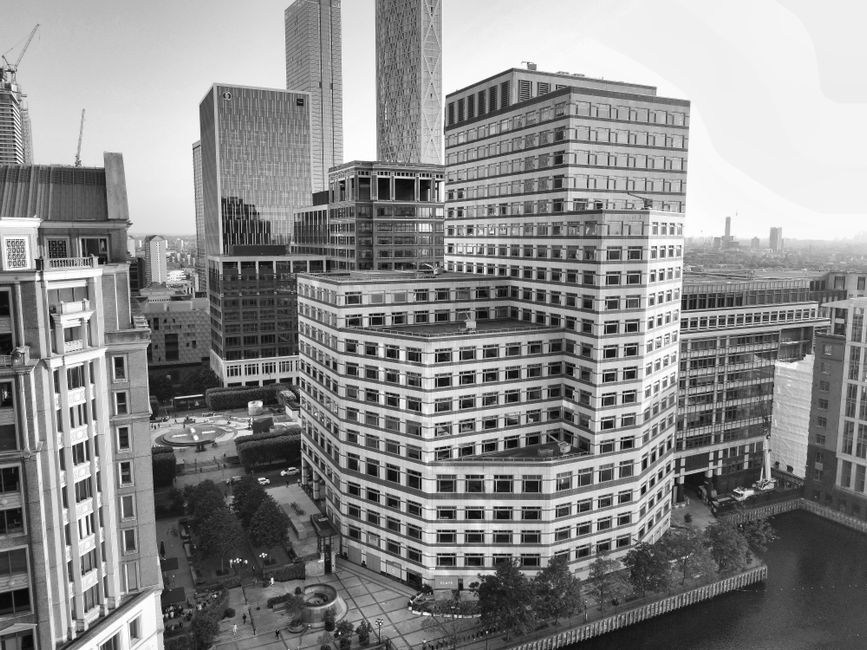
Canary Wharf office rubbish clearance for fast commercial service
When office waste starts building up in Canary Wharf, it rarely waits for a convenient moment. One week it is a few broken desks and a couple of bagged archives, and the next you are staring at a corridor full of cardboard, old monitors, and filing cabinets that nobody seems to own anymore. If you need Canary Wharf office rubbish clearance for fast commercial service, the real goal is simple: get the space cleared quickly, keep the business moving, and avoid a messy interruption to the working day.
This guide explains what fast commercial office rubbish clearance actually involves, how it works in practice, who benefits most, and how to choose an approach that feels efficient without cutting corners. We will also look at compliance, timing, common mistakes, and a few realistic ways to make the whole process less stressful. Truth be told, the best clearances are often the least dramatic ones.
Table of Contents
- Why Canary Wharf office rubbish clearance for fast commercial service Matters
- How Canary Wharf office rubbish clearance for fast commercial service Works
- Key Benefits and Practical Advantages
- Who This Is For and When It Makes Sense
- Step-by-Step Guidance
- Expert Tips for Better Results
- Common Mistakes to Avoid
- Tools, Resources and Recommendations
- Law, Compliance, Standards, or Best Practice
- Options, Methods, or Comparison Table
- Case Study or Real-World Example
- Practical Checklist
- Conclusion
- Frequently Asked Questions
Why Canary Wharf office rubbish clearance for fast commercial service Matters
Canary Wharf is not the kind of place where clutter quietly disappears into the background. It is a dense commercial district with active offices, tight access points, lift schedules, reception procedures, and building management rules that can make waste removal feel more complicated than it should be. If rubbish lingers, it affects more than appearance. It can slow moving teams down, create trip hazards, block storage areas, and make an office feel smaller and less organised than it really is.
Fast commercial service matters because office waste is often tied to deadlines. You may be preparing for a fit-out, responding to a lease end, clearing space after a team restructure, or dealing with an urgent disposal after furniture replacement. In those moments, you do not need a vague promise. You need a process that respects building rules, handles lifting and loading efficiently, and clears the site without turning the day into a long afternoon of disruption.
There is also the trust factor. In a busy business environment, people notice how workspaces are managed. A clear office sends a neat message to staff, visitors, and clients. A corridor stacked with old chairs sends a slightly different one. Not ideal.
If your clearance overlaps with broader business or waste handling needs, it can help to think in categories. For example, some organisations benefit from a more general business waste approach, while others need a focused office clearance that includes furniture, paperwork, and equipment removal in one go. When the waste is mixed and bulky, the distinction matters more than people expect.
How Canary Wharf office rubbish clearance for fast commercial service Works
A fast commercial office clearance is usually organised around speed, access, and safe removal. The process is not complicated, but it does work best when planned properly. At a basic level, it starts with understanding what needs to go, what can be reused or separated, and how the items will be moved through the building without causing friction for everyone else.
In practice, the workflow usually looks something like this:
- Initial assessment - The items are reviewed by type, volume, and any access challenges. Office furniture, archive boxes, IT waste, and general rubbish may all need different handling.
- Scheduling - The clearance is arranged around building access, working hours, and any constraints from the landlord or facilities team.
- Preparation - Items are grouped, pathways are checked, and anything that must remain on site is clearly marked. A little prep here saves a lot of back-and-forth later.
- Removal - Teams remove waste using the safest route possible, keeping disruption low and working efficiently in lifts, service areas, or loading bays.
- Sorting and disposal - Reusable and recyclable materials are separated where possible. Remaining waste is taken for proper disposal through suitable routes.
- Final sweep - The area is left ready for cleaning, reoccupation, or the next phase of work. Often this last step is the one people appreciate most.
That is the short version. The real value is in the coordination. A good clearance service does not just remove stuff; it makes the room usable again without creating new problems for the facilities team or the people working next door.
For many offices, fast commercial clearances overlap with wider waste handling services such as rubbish removal or waste removal, especially when the load includes mixed materials. If the job involves move-out debris or refurbishment leftovers, there may also be a place for builders waste handling. That is common in Canary Wharf, where refurbishments and office updates often run side by side.
Key Benefits and Practical Advantages
The biggest benefit of fast office rubbish clearance is obvious: you get space back quickly. But the practical advantages go beyond that. In a commercial setting, time really is money, and mess has a habit of multiplying while everyone is busy elsewhere.
- Less downtime: Teams can keep working around a clean, open space instead of navigating piles of unwanted items.
- Better health and safety: Clear floors, corridors, and exits reduce avoidable risk.
- Improved presentation: A tidy office is better for clients, tenants, and internal meetings.
- More efficient moves: Clearouts make relocations, fit-outs, and desk reconfigurations much easier.
- Reduced admin stress: When the clearance is handled properly, there is less chasing, less lifting, and fewer awkward decisions mid-job.
- Better use of commercial space: Storage rooms and back-office areas are far too valuable to waste on obsolete furniture.
There is also a subtle but important benefit: momentum. Once one cluttered area is cleared, the rest of the office often feels easier to manage. People start making decisions faster. Old equipment stops being treated like a future problem. It is surprisingly effective, a bit boring maybe, but effective.
For businesses that want a broader tidy-up across different spaces, related services can make sense too. Office teams sometimes combine clearance work with furniture disposal or, in offices with breakout areas and lounges, targeted sofa removal. Those awkward, bulky pieces are often what slow projects down the most.
Who This Is For and When It Makes Sense
This kind of service is a strong fit for office managers, facilities teams, landlords, commercial tenants, building contractors, and business owners who need the space cleared without making a fuss of it. You might need it after a team downsizing, an equipment refresh, an office relocation, a lease-end handover, or a refurbishment that has produced more waste than expected.
It also makes sense when you are dealing with mixed waste streams. For example, a reception upgrade may leave behind broken shelving, packaging, old chairs, desk units, and a few mystery items that nobody wants to claim. Happens all the time. In a fast-moving district like Canary Wharf, that sort of mixed load can become a problem very quickly if it is left in the corner "for later".
Typical situations include:
- End-of-lease commercial clearances
- Office furniture replacement
- Archive and storage room clear-outs
- Post-refit waste removal
- Reception, meeting room, or breakout space upgrades
- Emergency clearances after a sudden change in occupancy
If the job is mostly paperwork, file cabinets, or office odds and ends, a simple rubbish clearance may be enough. If there is broader commercial waste, mixed materials, or recurrent collections to manage, then looking at waste collection or waste clearance can be more practical. The right choice depends on how much there is and how quickly it needs to disappear.
Step-by-Step Guidance
If you want the process to run smoothly, the simplest approach is often the best. Here is a sensible step-by-step method that keeps the job moving and avoids messy surprises.
- List everything that needs clearing. Separate furniture, electrical items, general rubbish, confidential paperwork, and anything reusable. Do not guess. Walk the space if you can.
- Check building rules early. Canary Wharf buildings often have access procedures, lift booking rules, loading bay restrictions, or specific collection windows. These details matter more than people think.
- Decide what stays. Mark items clearly so nobody removes the wrong chair, monitor, or archive box. One label on a pile can save half an hour of head-scratching.
- Choose the right service type. If the load is bulky and office-based, office clearance is usually the most direct route. If the clearance is more general, rubbish clearance may suit better.
- Prepare access. Move small personal items out of the way, clear hallways, and make sure someone is available for building sign-in or escort requirements.
- Ask how items are handled. Recyclables, reusable furniture, and waste should not all be treated as one identical pile. That is poor practice and, frankly, lazy.
- Confirm timing and completion. Make sure there is a clear understanding of when the team arrives, how long they will need, and what the space should look like when the job is done.
One small but useful point: if the office has already been partly cleared by staff, keep the remaining waste grouped logically. It speeds things up far more than scattering loose items around five different rooms. You will thank yourself later.
Expert Tips for Better Results
In our experience, the difference between a smooth clearance and a frustrating one is often made before the vehicle even arrives. A few small choices go a long way.
- Bundle similar items together. Chairs with chairs, monitors with monitors, cardboard with cardboard. It helps the team load faster and reduces confusion.
- Keep walkways clear. A clean route through the office saves time and lowers risk.
- Protect sensitive materials. Do not leave confidential papers mixed in with ordinary waste. If the office handles private documents, deal with them separately and securely.
- Photograph bulky areas beforehand. Not for drama. Just for reference, especially if multiple people are involved in the sign-off.
- Think about recycling before collection day. Some items, such as office chairs, filing units, or IT equipment, may be better separated in advance.
- Use building-friendly timing. Early morning or quieter windows often work better in Canary Wharf because lifts, corridors, and loading access can be easier to manage.
And here is a small but honest tip: if the first clear-out uncovers more waste than expected, do not panic. Offices do this. Boxes multiply in storage cupboards, then mysteriously breed behind cabinets. That is just office life, apparently.
Common Mistakes to Avoid
Most clearance problems are not caused by the rubbish itself. They are caused by poor planning, rushed assumptions, or somebody saying, "It will be fine," just before it very much is not fine.
- Leaving access planning too late: Building rules, lift booking, and parking restrictions can derail an otherwise simple job.
- Mixing waste types without thought: General rubbish, office furniture, electrical equipment, and builders waste should not all be handled the same way.
- Ignoring confidential material: Paperwork, hard drives, and employee records need proper attention.
- Forgetting about service lift or loading bay timing: In a busy commercial tower, timing can make or break the job.
- Underestimating volume: Offices often look smaller once items are grouped for removal. What seemed like "a couple of desks" can become a surprisingly big load.
- Not naming a decision-maker: If several people are answering for the same clearance, delays creep in fast.
The most common mistake of all? Assuming the job is only about lifting things out. It is really about managing the route, the schedule, and the handover with minimal friction. That is where the speed comes from.
Tools, Resources and Recommendations
You do not need a warehouse full of gear to organise an office rubbish clearance, but a few basic tools and habits make everything easier. If you are preparing the site internally before a commercial collection, these are worth having to hand:
- Clear labels or marker tape for items to keep or remove
- Boxes or sacks for loose office waste
- A simple room-by-room inventory sheet
- Basic floor protection for narrow routes if needed
- Access notes for reception, lifts, and loading points
- Contact details for the site manager or building concierge
Useful service combinations may include rubbish collection for smaller loads, waste disposal for final handling, or a broader waste removal approach for mixed commercial items. If your office is part of a wider move across East London, it can also help to understand the wider service area through East London coverage.
For businesses with more than one site, it can be worth standardising the same preparation method across locations. That way, one office is not perfectly organised while another has a half-empty meeting room full of abandoned chairs. Easy win, really.
Law, Compliance, Standards, or Best Practice
Office rubbish clearance in the UK should be approached with care, especially where business waste, electrical items, and confidential material are involved. You do not need to be a compliance specialist to get the basics right, but you do need to be sensible.
Best practice usually includes:
- Using a provider that can handle commercial waste responsibly
- Keeping clear records of what is being removed when the site requires documentation
- Separating items that should not be mixed with general waste
- Handling paper records, hard drives, and sensitive materials with extra care
- Checking building rules and access permissions before arrival
If the clearance includes electrical items, damaged fittings, or mixed waste after refurbishment, it is wise to treat the job as more than a simple tidy-up. That is where services such as business waste and builders waste can become relevant, depending on what has actually been thrown out. The exact handling depends on the materials involved, so caution is better than guesswork.
One important practical note: if the office handles personal data, do not let those papers sit in open clear-out piles. Keep them separate and plan a secure disposal route. It is a simple habit, but it prevents awkward problems later.
Options, Methods, or Comparison Table
There is more than one way to clear office rubbish, and the best choice depends on the job size, urgency, and the type of waste involved. Here is a simple comparison that helps clarify the trade-offs.
| Method | Best for | Speed | Main advantage | Main drawback |
|---|---|---|---|---|
| Ad hoc internal clearing | Very small, low-risk office tidy-ups | Slow to medium | Low immediate cost | Takes staff time and often lacks proper disposal planning |
| Scheduled rubbish collection | Regular waste streams and lighter loads | Medium | Predictable and easy to plan | May not suit bulky furniture or urgent clearances |
| Dedicated office clearance | Furniture, mixed waste, and larger commercial jobs | Fast | More efficient for full office clear-outs | Usually needs a bit more preparation |
| Broader waste removal service | Mixed items, bulky waste, and post-refit clearance | Fast | Flexible for different material types | Needs clear item sorting to stay efficient |
In practical terms, the fastest option is not always the simplest one. If you only have a few items, a smaller rubbish collection may be enough. If you have dozens of desks, cupboards, and random office leftovers, a dedicated clearance is usually the cleaner path. Let the waste type guide the method, not the other way round.
Case Study or Real-World Example
Imagine a Canary Wharf office preparing for a desk reconfiguration on a tight schedule. The team has replaced several old workstations, cleared out under-desk storage, and boxed up a mix of cardboard, obsolete monitors, and a handful of worn office chairs. The facilities manager needs the area cleared before the cleaning crew arrives the next morning.
Instead of leaving everything in one large pile, the team sorts the waste into three groups: reusable furniture, general rubbish, and items that need careful handling. Access notes are shared with the building concierge, the service lift is booked, and a clear arrival window is agreed. The clearance is then carried out in one visit, with bulky items removed first so the route stays open.
The result is not dramatic, and that is exactly the point. By the end of the job, the office floor is open again, the workspace feels lighter, and the next-day team can walk in without tripping over loose packaging or a half-collapsed chair box. A simple outcome. A good one.
This is also where experience matters. A tidy plan can save a lot of last-minute moving around. If the office had waited until the final hour, someone would almost certainly have been carrying a printer through a doorway with that "well, this seemed easier yesterday" look on their face. We have all been there.
Practical Checklist
Use this checklist before your clearance day. It keeps the process calmer and helps the crew work quickly once they arrive.
- Confirm the exact items to be removed
- Separate furniture, rubbish, and sensitive materials
- Book lifts, loading bays, or concierge access if needed
- Clear walkways and remove personal belongings
- Label anything that must remain on site
- Identify the on-site contact for the day
- Check whether any items need special handling
- Make sure reception or security knows the arrival time
- Plan for final sign-off once the area is cleared
Quick expert summary: the smoother your preparation, the faster the commercial service can work. Speed comes from clarity, not rushing. That is the little secret, really.
Get a free quote today and see how much you can save.
Conclusion
Canary Wharf office rubbish clearance for fast commercial service is not just about getting rid of unwanted items. It is about keeping a business space usable, safe, presentable, and ready for whatever comes next. Whether you are clearing a few bulky items or managing a fuller office handover, the right plan makes the whole process feel much more controlled.
The best results usually come from clear communication, sensible preparation, and a service that understands commercial timing and building access. Keep the job focused, keep the waste sorted, and do not leave decisions until the final hour. That part never goes as smoothly as people hope.
Handled well, office clearance is one of those jobs that quietly improves everything around it. The room feels bigger. The day feels easier. And for once, the clutter is not winning.
Frequently Asked Questions
What is Canary Wharf office rubbish clearance for fast commercial service?
It is a commercial clearance service designed to remove office rubbish, furniture, and mixed waste quickly in a busy Canary Wharf setting, with minimal disruption to business operations.
How fast can an office rubbish clearance usually be arranged?
That depends on the size of the job, building access, and what needs removing. Smaller clearances can often be arranged more quickly than larger office moves or fit-out waste jobs.
Can office furniture and rubbish be removed together?
Yes, in many cases they can. Chairs, desks, cabinets, packaging, and general rubbish are often cleared together, provided the items are sorted and access is planned properly.
What kinds of office waste are commonly collected?
Typical office waste includes desks, chairs, filing cabinets, cardboard, archive boxes, broken equipment, soft seating, and general commercial rubbish. Electrical items may need separate handling.
Do I need to prepare the office before the clearance team arrives?
Yes, a little preparation helps a lot. Label items, clear walkways, identify what stays, and make sure building access is ready. That makes the job quicker and less disruptive.
Is this service suitable for lease-end office clearances?
Yes. Lease-end clearances are one of the most common reasons businesses use fast commercial rubbish clearance, especially when the office needs to be handed back in good order.
What if my office has mixed waste after refurbishment?
Mixed waste is common after refurbishments. Depending on the materials involved, a combination of office clearance, rubbish removal, and builders waste handling may be the most practical route.
How do I know whether I need rubbish collection or office clearance?
If the load is mostly small waste items, rubbish collection may be enough. If the job includes bulky office furniture, desks, or a full room clear-out, office clearance is usually the better choice.
Can confidential office materials be handled safely?
They should be separated from general waste and handled carefully. Paper records, hard drives, and sensitive files should never be mixed casually into a normal clear-out pile.
Is Canary Wharf office clearance different from other parts of London?
Often, yes. Canary Wharf buildings can involve stricter access procedures, lift bookings, loading restrictions, and tighter time windows, so planning becomes especially important.
What is the biggest mistake offices make before a clearance?
The most common mistake is poor preparation. If items are not sorted, access is not confirmed, or decision-makers are unclear, the job usually takes longer and feels more stressful than it should.
Can I combine office rubbish clearance with wider business waste handling?
Absolutely. Many businesses need both. A broader business waste arrangement can work well for ongoing needs, while a dedicated clearance is better for one-off bulky jobs or move-outs.